Wednesday, July 20, 2016

On Show.

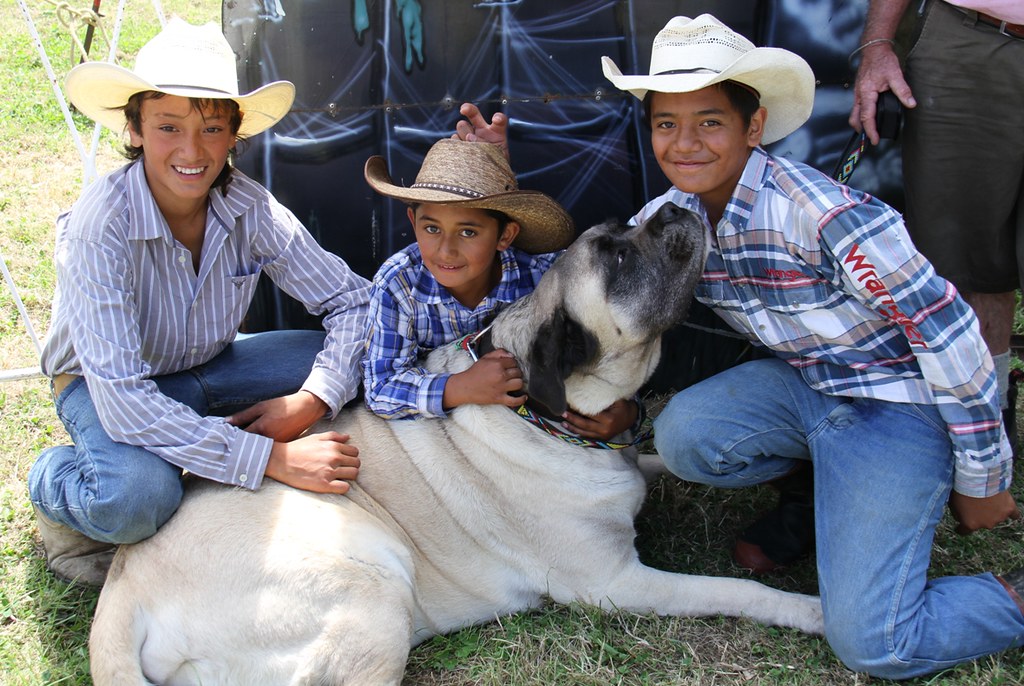
Met these characters at the Wairoa Show - they were young cowboys in the making!
The A & P Show is as quintessentially kiwi as it gets.  Every agricultural nation have their spin on their community getting together to celebrate what it is they do best, but for us it's the A&P Show.

As children we flocked to the show, extorted money off the grandparents and tolerated being dragged around the stock exhibits and home industries so we could then hare off to the amusements to make ourselves sick on rides and lurid coloured drinks.  Now as a parent I can attest, not much has changed, but what has changed is our appreciation of what goes on at the Show, what is celebrated and also participating myself in those elements I couldn't give much time for before.

A&P Show's celebrate all the elements and primary industries that are vital to our local communities.
The hardest thing about hosting such an event is that juggle between tradition and relevance. About making the event something that celebrates the generations who have been before, but also speak to the generations and future generations attending now.


I see this working in an industry which is hundreds of years old and have loved seeing the refreshed interest in all things home, craft and most importantly hand made.  Driven by social media and the ability to easily share what you do to a wider audience. As someone who has always participated in the domestic arts, it's really nice to be able to come out from the shadows and share my knowledge to a wider audience on social media. The Home Industries section at the A&P Show has been one of those few places where we can physically display what it is we do.  It's where you can see all the wonderful things created in 'real life' and not on a screen.

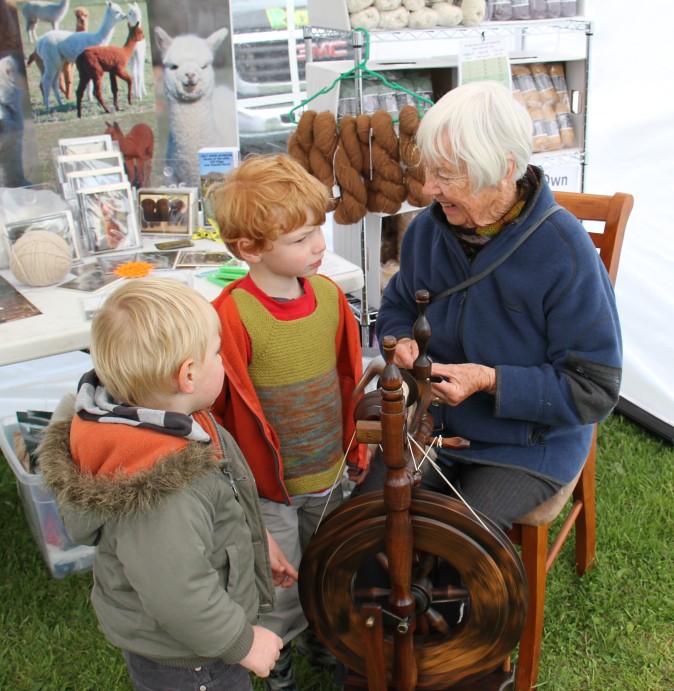
Our Boy's are Show veterans, this is them years ago checking out an Alpaca exhibit. 
So this year I am so thrilled to be appointed the new section head of the Hawkes Bay HandMADE section - encompassing our local craftspeople and domestic artisans.  This year our goal is to encourage all this cleaver people who are creating sharing such beautiful work online to enter and display their work at the Show.  Taking the workmanship from behind the LCD screen to larger than life, full HD colour and you could get rewarded for your efforts.

One of the many entries I have made over the years

Entering is so easy and you also get free entry and car parking to come and attend the show.  Have a look at the revamped schedule of classes HERE and downloaded your entry form HERE and give it a go!

Sunday, June 12, 2016

Top Tips for Selecting the Perfect Yarn

A baby cardigan in Silver Lining Merino - Bell Bush

I find that the compulsion to start an new project comes from one of three reasons: an occasion, a stunning pattern or luscious yarn.  New babies are the best reason to get the needles working away and is still the number reason someone will get started again after a break from the needles or hooks.  Also knit design has come ahead in leaps and bound in recent years, with patterns vastly more accessible and fashionable and that goes without saying all those beautiful yarns which you can get in every glorious colour, texture and thickness.

Silver Lining is incredibly soft and perfect for projects next to the skin.

So how do you select the right yarn for the job?

Tip One - Swap 'Like for Like'.
Look at the yarns suggested in the pattern.  If you choose, or are unable, to use the yarn suggested then look for a yarn that is similar.  Compare the fibre content, texture, construction and length to find a good alternative.  So if your pattern calls for a smooth DK wool yarn, look for other smooth DK wool yarns. 

Tip Two - Natures Best.
If you are knitting a garment for a baby  - natural fibres are always the best option, wool is perfect for babies.  Lighter weights are great for knitted layers, like singlets, and cardigans, whilst medium weights, like DK are great for jackets, longies blankets and sleeping bags.  Softer yarns are best for infant skins, so Merino, Polwarth or superwash are great.

Tip Three - Wear without Tears.
One of the most common questions we get asked is: Will this yarn pill?
All yarns will pill if enough friction and movement is applied, so if you are knitting a garment that is going to see a lot of wear and rugged treatment select a yarn with higher twist, stronger fibres and knit to a firm tension.  Examples being Skeinz Vintage and Southlander, these are my favourite all purpose wearing yarns.  If you are knitting a shawl or cowl, something that won't experience too fraught or friction, then a yarn soft to wear against the skin is perfect.  Burlesque or Terabyte are just perfect for these sorts of projects, super, super soft and won't experience too much wear and tear.

This fine twist on twist Merino give excellent definition, softness and wear.

Tip Four - Find your Flock
Natural fibres all have various qualities and some of these reflect in how they act when they are stitched into a final project.  If you are looking to knit a pattern with textured stitches, Aran cables or bobbles you need a yarn that will hold these stitches so they 'pop'.  Traditionally these patterns were made with strong wools, which were 'lively' and held their structure when knitted.  Wool is still the number one choice for these projects.  If you want softness, drape or a floaty fabric, great with lace stitches then fine wool or blends of wool, Alpaca, Silk, Kid Mohair or even plant fibres like cotton or bamboo come into their own.

Tip Five - It all comes out in the wash.
Super Wash versus Hand Wash - a raging debate for years to what is better.  For me - I hand wash all my yarn garments, regardless of yarn type.  I find it quicker, easier and it allows me to reblock/shape a garment more effectively.  Super wash  has the benefit of being more likely to survive a washing machine accident, it is often a smoother texture as it spun using shrink treated wool fibre and takes colour very well producing vibrant rich shades.  Hand wash yarns have a lusciousness that gets lost in the shrinking process of the fibre and a 'grip' in the yarn which makes it perfect for textured stitching, and essential for fair isle projects, especially if they are being steeked.  

The choice is yours.... but always remember the golden rule for absolute success...
Swatch, Swatch, Swatch!

Sunday, May 1, 2016

Knitting for the Sensory Special Child

Knitting garments for my Sensory Special child was a challenge.
Have you ever been caught out knitting a garment for a child only to find that all your hard work is left wallowing in the bottom draw because the recipient just can cope wearing your lovely garment?
It’s disheartening. It’s frustrating. It’s hard to fathom why.

As you can see from the face - we were not happy at modelling this cowl against our skin!
Working in yarn retail and manufacturing I am always hearing the comment back from knitters that they can’t knit for children because the complain that the: yarn is scratchy, it’s too thick, too tight.
So why is it then some children wear hand knitted garments with no fuss at all and others, even those in the same family, kick up enough fuss that you’d think the world was about to end.

Looking much happier sporting one of my favourite 'go to' patterns
The answer could be that these children have sensory issues or if severe enough Sensory Processing Disorder.  It is thought that as many as 1 in 20 children have SPD with a whopping 1 in 6 children experiencing sensory issues that affect their day to day life.
Milo by Tikki Knits was our breakthrough pattern moment
Sensory Processing Disorder can affect people in only one sense–for example, just touch or just sight or just movement–or in multiple senses. One person with SPD may over-respond to sensation and find clothing, physical contact, light, sound, food, or other sensory input to be unbearable. Another might under-respond and show little or no reaction to stimulation, even pain or extreme hot and cold.
In children where clothing is concerned, they are the ones who have to have all the tags removed, only cope with soft or well washed fabrics, and only tolerate a few layers and just hate any outerwear touching the skin.
Milo ticked all the boxes - kept Louis warm, didn't touch his skin and could be customised to how he liked.
So how do you knit for a sensory child?
I have a son who has SPD, along with Autism Spectrum disorder and a few other goodies.  He is our first born, so as a knitting mother I was so excited to be able to knit for him.  These are the tricks and tips I have learned along the way when knitting for him and his developing conditions.

Step One – Pattern Selection
Choose
Avoid
Vests or knitted T-shirt patterns
These keep the chest covered, but avoid contact with the neck or wrists that can irritate SPD kids
Collars or features with direct skin contact.
Sweaters with shawl collars look so cute but send a sensory child crazy with irritation.
Smooth stitching, swap ribbing for garter stitch.
Stocking stitch is safe, it’s smooth to wear and not to constrictive.
Textured or Aran stitches
The uneven texture of the stitching can feel like rough sandpaper for the SPD child.
Finer gauge:  Fingerling – Light Worsted
These produce a lighter fabric that is less constrictive to wear and will regulate temperature better
Thicker gauge: Worsted – Super Bulky
Feels too bulky or this to wear, especially if you have to add another layer like a jacket in cooler climates.
Patterns worked in the round.
Top down, in the round vests are great.  No seaming at all required. No sides seams to irritate.
Patterns that require a lot of seaming.
Side seams, added collars, complicated shoulder shaping all create seams that can be highly irritating – best to avoid.


Step Two – Yarn Selection
Choose
Avoid
Lighter yarns: Fingerling up to Lt Worsted (DK)
To create a lighter fabric for easier layering.
Produces a fabric that is lighter and easier to wear.
Thicker Yarns – from Worsted onwards
Make it difficult to layer, especially in cooler or wetter climates.
Smooth plied yarns or yarn with higher twist.
These yarns are less likely to pill, creating irritation
Single roving yarns.
These can pill very readily and these pills become quickly irritating and distracting for SPD kids
Finer micron fibres – like Merino or Alpaca and their blends
These yarns are soft to the touch and will breathe and regulate temperature better than synthetics
Wrap yarns with effect binders or fluffy/eyelash yarns.
Add texture to the yarn which can add irritation.  Eyelash or yarns with binders also gives sensory kids something to pick at and unravel.

Step Three – Be Brave
Don’t get put off if you get deterred first time around.  Older children often like the tactile process of selecting their own yarns and are move likely to wear them if they have input in the choice.

Also if you find a pattern and yarn that works; repeat, repeat, and repeat!

Wednesday, March 30, 2016

The Naked Truth

This image captured by Jacqui Bateman in 2010 is now been used in reaction to he new PETA campaign.
It was bought to my attention this week that PETA is having another crack at  the wool industry releasing a graphic new poster of a naked model posing with a bloodied lamb in an attempt to highlight the "rampant abuse" which they would have you believe was standard practice in modern shearing sheds.

Twaddle

Having grown up on a sheep and cattle station and spending many of my teenage hours working as a 'rousie' alongside these shearers, I never saw anything closely approaching anything they describe.  With emphasis on fleece quality from textile & spinning markets (like us)  and the demand from farmers to maintain healthy flocks -  shearing gangs operating now are incredibly slick, professional, highly competitive teams who take pride their work, just as much as any other tradesperson.
Shearers are not only professionals, they're athletes and take their work very seriously.

Shearing is an important part of the care and welfare of farming sheep.  Its important to help prevent insect infestation, keeping the animal cool in the hot summer months and keeping the weight of the fleece at a safe level in the winter months. Unshorn sheep can be come very laboured under the wool and water weight of a fleece that has not been removed annually.

Whilst it makes great headlines when you find sheep such as Shrek, the reality is he's much happier and healthier freshly shorn, than not
The SPCA in 2014 received 642 sheep related complaints - none of which were shearing related, in fact SPCA Regional Manager Sue Baudet said many of these complaints were because these sheep hadn't been shorn and were suffering in the heat

The most recent PETA poster - so inaccurate on so many levels I don't where to start.
I just get really sick of sensationalism for sensationalism sake.  I am proud of the New Zealand wool industry and the level of genuine care, concern and passion that people working within the industry:  farmers, shearers, brokers or manufacturers, have towards what we do.  I guess the only message I can take from PETA's poor attempt at highlighting their misguided beliefs is that they would prefer petroleum based synthetic fibres because all that's hurting in it's process is the planet, and the planet doesn't have feelings right?

Wednesday, March 23, 2016

Unwinding in Dunedin

The Skeinz table at Unwind 2016
One of the things that is wonderful about my job is the ability to travel once a year to Dunedin to the Unwind Fibrecraft retreat and catch up with all things yarn, fabulous and awesome in the very fashion forward city of Dunedin.  It's great to catch up with friends old and new and to be able to take down new yarns and get a southern spin on how things are done, loved, stitched and created.
Just some of the faces & Traders from Unwind
There is an energy in Dunedin that is quite unique.  A combination of culture, history, isolation, stubbornness and invention that gives Dunedin-nites a great outlook.  The projects, colours and styles are quite different to what I usually see in the north and it helps me get inspired about new directions in The Yarn Kitchen.
The faces of Unwind 2016
Attending retreats is a great way to get to meet other yarnies with an equal amount of fervor as you and to also get inspired.  You get to appreciate how clever we are as a nation and appreciate the fabric of people that go into making up our industry.

One of the new yarns launched at Unwind - Queen Bee (Photo by Outlaw Yarn)
This year we are really spoiled for yarn events.  Unwind is in March and booked ended at the end of winter is Knit August Nights (of course) in Napier.  Also on the calendar is the very success full Woolfest in West Auckland in late may and for those in the south WoolFeast in Christchurch in June (on Worldwide Knit in Public day no less).  If you do get a chance to attend any of these events - do, and hopefully we will see you at one of them soon!


Sunday, January 31, 2016

From our Yarn Kitchen to yours.

Over flow from the heart of the Yarn Kitchen
 I love, love, love this time of year because it is when we have the entire year ahead of us and all there is to see is not just possibilities, but probabilities.  All the ideas that percolate around from the previous year get some context and traction to turn into something tangible - they turn into yarn!

Colour swatching for one of the yarns in production

The process of concept to yarn can take months, even years.  Making sure we a cooking up something that you would love to play with is vital, then we need to get our ingredients right, flavour it correctly and finally put in a workable package for you to go home and make some magic happen.


Base yarn testing whilst watching StevenBe.tv
This year I have two yarns currently in post production, which means they are about to leave the kitchen to come home with you, three in production and six in pre-production.  That doesn't include the new colours also coming out in existing ranges and the other odd surprise along the way.

Naked Yarn getting reeled into hanks.
All of these yarns have been made from direct feed back from you.  Your contributions to Facebook, through the website, talking to me at Unwind and KAN or popping into the shop and letting us know what you like, what you don't and what you's love to see more of.  We also love seeing all the new Indie Yarn Kitchen's popping up using Naked Skeinz yarn.  The flexibility, fluidity and imagination of what is being cooked up at home is truly inspirational and incredibly satisfying to see.  This means more and more Naked Skeinz will be joining the fold to enable you to paint & create wonderfully individual yarns.
Unwind in Dunedin 2015
I will be travelling down to Unwind in a little over a month with Naked Skeinz in tow along with a few other goodies.  I'd love to see what you are making in your yarn kitchen's, so pop by the Skeinz stand and say hello!

Tuesday, December 8, 2015

Holiday Stitching

Heritage Organic 'dressed' for the festive season.
The great irony about much of the holiday imagery from this time of year is of snowy scenes, Santa wrapped up against the cold and preparations of festive fare which is rich and hearty is for us at the Skeinz mill is we are basking in Summer sunshine, heading to the beach and barbecuing at every opportunity.  That is the joy of a Southern Hemisphere lifestyle.

Jo from our FB Group is working in a Vintage blanket this season.
So you would think that not much knitting gets done down here at this time of year, and whilst stitching does drop off as Kiwi's and Aussies hit the beach, this is also our peak Summer holiday period.  So think camping, cruising, hitting the bach (small holiday cottage usually based at the beach or a lake - we have plenty of both here in NZ) or just chilling at home with the family.  Extra time for knitters is gold, knitting a vast array of projects this time of year.  Some find the relaxing vibe the perfect time for doing that lace shawl, others knit small items in the summer heat, or for me, I get all my years accumulation of scraps and crochet blankets and cushions.

My Doodler MKAL by Stephen West (two of the three yarns were spun at the Skeinz mill)
I have also recently discovered Mystery Knit-alongs (MKAL).  I have completed two very different MKAL's across the Spring and I can see the appeal.  You purchase the pattern based on a basic concept description and details of the materials required and each week you receive a clue to knit up.  Discussion is fierce among Ravelry message boards and social media lights up with progress pictures and commentary.  It's a great way to freshen up your knitting and be involved in a larger conversation at the same time.
Mel in Wellington is working on this crochet masterpiece, again in Vintage
What are you working on this holiday period?
We'd love to know - so make sure you post your WIP in either our Ravelry Board or the Facebook Thread and every post goes into the draw to win an amazing Skeinz prize pack.  You have three colour theme's to choose from: Rainbow Child, Contemporary Chic or Down to Earth.

In the meantime, regardless of where you are, sit back, relax pick up your knitting and embrace the holiday spirit - Cheers!

Tuesday, November 10, 2015

Just Cruisin'

Vintage Combinations - celebrating Cruising & Art deco

We are very lucky here at The Yarn Kitchen.  Our Mill is based in Napier, Hawkes Bay on New Zealand east coast.  It's sunny, coastal and historic, having the largest concentration of original Art Deco architecture in the Southern hemisphere.

Around 50 ships dock in Napier during Cruise Season
This means that from Spring through to early Autumn, Napier hosts tens of thousands of cruise ship visitors.  We see plenty of them at our Skeinz Shop and they add colour and vibrancy to our lovely city.

Art Deco Napier - Our Mill Technical Direcor Ian Kelly picture in the Red MG with his wife Maureen.
I often blog about where our inspiration comes from for colours and ranges: Nature, sunsets, places, people - in this case it is those visitors who we welcome to our shores to soak up the Art Deco splendor and sunshine of our fair city.

The Vintage Cruise Collection
The obvious yarn choice for this limited edition was Vintage, one of our first Skeinz yarn's and one that took it's inspiration directly from the Art Deco culture here.  So the next step was finding colours that reflected - what if Deco went not just seaside, but ship side?

The ultimate nautical combo: Navy with Porcelain & Carmine
Having a Navy in the range was colour choice #1.  Navy is a colour that has been out of vogue in recent years, but for our Cruise collection navy, we juice the colour up so it has an almost indigo edge to it - it's rich and saturated, without being bleak or cold.  Teamed up with Carmine and Porcelain from the Vintage range it makes the perfect nautical trio - vintage, retro, classic.

Great friends:  Grey with Coral & Aqua
Colour #2 in contrast is the palest shades of Grey.  It's that slight whisper of Spring sea fog that often greats the ships as they arrive into port.  It's a subtle colour that makes an amazing contrast, it's less blue than Pewter and goes with all the other colours in the collection.

Aqua with Porcelain & Oilskin
Aqua with Sweetcorn & Grey

From fog to foam, colour #3 is just called Aqua and it is taken from the colour that the ocean around the Napier Port takes on during a fine still morning.  It's a chameleon colour, changing it's mood depending on who it is paired with, looking chic and classical when out with Vintage Oilskin and Porcelain, slightly flirty when playing with Vintage Grey and Sweetcorn and looking dangerous when out on the town with Vintage Navy & Nasturtium.

Coral is the ultimate party girl - here with Sweetcorn & Pistachio
Lastly, by no means least, is Coral, our 4th and last colour in the collection.  This is the party girl who makes sure everyone is having fun whilst on board and on shore. Playful when with Pistachio & Sweetcorn, sophisticated when she is with her cabin mates:  Grey, Navy & Aqua.  Coral is that colour which will liven up your wardrobe & wants to have fun.
So if you are cruising this season & are visiting Napier - we'd love to see you.  Check out our website for opening hours & Bon Voyage!
Tuesday, November 3, 2015

Getting Scrappy


The' Scraps Bag Blanket' get started last night
When you are a prolific knitter, as I am, the inevitable happens... Leftovers and scraps.
Anything from two or three balls from a garment project or half a ball or a wee butterfly of colour surviving after a nail biting round of yardage chicken. It's rare that you don't end up with some scraps after your yarn meal.


I recycle the wool scouring bags that arrive at the mill for project and scrap bags.
Mine end up in a cotton wool scouring bag, and if I'm honest, there's more than one rolling around my stash cupboard. I give a massive amount away, especially the smaller amounts, to my aunt who loves knitting these incredible baby and children's beanies for families of the East Coast, north of my home town of Gisborne. She's knitted hundreds of them and they are so well received. Others knit charity blankets or the classic fish and chip jumpers.


Just a small sample of the incredible beanies knitted by my aunt.
For me, I decided several years ago to use all those scraps to knit or crochet projects to make our own home comfortable. There is something very homely and special about items made for comfort, made by you, in your home for the pleasure of your family and friends. They grace the backs of our couch, on the couch, on the beds and loved by myself, the boys' and the animals of our home in equal measure.


Just a couple of the 'Scrappy' projects from last summer.
The thought of knitting in a NZ Summer isn't for all, for me the ritual of doing some yarn craft at night is very much part of my evening 'sleep hygiene' routine and during the school holidays, having a project in my bag to whip out at the beach, pool or over the festive break is welcome. Much talk has been around 'mindfullness' like it is something very new or trendy, but as crafters we all know, and have known for generations, that this is so much more than a 'quaint pastime', I am just so pleased that the mainstream have now caught up. Whatever brings you to hte yarn craft door, we will always welcome you with open arms, needles, hooks and yarn!


This is the blanket from a couple of years ago - it is my son's favourite.
So as the sunshine days become longer and brighter, a cotton bag had been retrieved, a hook dusted off and the beginnings of an organic square design started.


One of my first 'scrappy' projects - a log cabin cushion.

What are you doing this summer?


Over out our Skeinz Facebook page and Ravelry group we are holding a post and win competition.


Summer Post & Win Competition.

So what is your Summer project - what have you done in the past or what do you have planned?
Post completed or planning and WiP progress images into the Facebook or Ravelry thread - every post gives you an entry into the draw.
We will draw this at the end of January - so you have plenty of time and the prize will be an amazing DK colour collection made up of over 20 balls of Skeinz yarn. You can choose from one of three themes: Rainbow Child, Contemporary Chic or Down to Earth...
Post away - spot prizes will be drawn across the Summer - so good luck!

Tuesday, September 15, 2015

Pill Prevention and Cure.


Pilling on a fine Merino Baby Cardy
One of the questions I often see asked in the shop or in online forums is "Can you recommend a yarn that doesn't pill", pilling is the effect that happens when the fibres in a yarn are met with friction and small unsightly balls of fuzz start propagating your once smooth pristine fabric.
We all hate it.  It seems so unfair that after hours of labour and toil that these little gate-crashers can spoil your yarn party.  So, can I recommend a yarn that doesn't pill?

Firstly - pilling isn't the end of the world.  It can be remedied, easily.  In fact I enjoy de-pilling, but more about that later.  This is a question about expectations and planning.  The expectation is that you can never expect a hand knitted garment to wear like a mass produced, fine count one.  It just isn't going to happen - as soon as you cast that expectation away, you are half way there.

This vest is knitted in Southlander - I did this in early 2010.  He gives it a gentle pluck when he hand washes it and that's all the care it needs.
The next is the planning.  "Who, Where & Wear" being the main factors to consider here.  Who is going to own the garment, where is it to be worn & how is it to be worn.  Then making your yarn selection suited to purpose.  So if the garment is going to be a vest for your father to wear to work (see above) which involves activity outside, it needs to be a yarn rugged enough to cope with his activities, any friction from increased arm movements and being worn inside or out of a jacket.  So in this case I would chose a yarn like Southlander (see recent posts) which is warm, strong and can stand the punishment.
This sample is knitted in Vintage and is about 6 years only - it is touched, fondled and generally abused and still looks brilliant!
Likewise you maybe wanting to knit for a busy pre-schooler, so you need a yarn that will be soft and comfortable for them to wear, can cope with the tumbles and spills and be easy to clean - Then Vintage DK, Urban or Orb are the yarns for the job.

 A bolero in my collection knitted 10 years ago - was depilled for the first time this year, you can see where I started on the right.
The conundrum is when you have a request for the softest yarn, but without pilling.
Simply - pick one
A very fine yarn (ie Fine Merino) with friction and wear will start to pill.  This is because what makes those yarns so fine and soft are the very thin fibres that make them up.  What can help reduce the pilling is trapping those fibres into a firmer  or finer twist (but not too tight or you loose that lovely squish factor) and making sure that yarns such as this are knitted into a denser fabric or are locked up in tight defined stitch patterns so they don't escape.

I love this yarn and this pattern - but I need to give the finished garment a wee "buzz" each time before I wear it.
I knitted a cardigan this year from a fine merino cashmere blend and it my absolute favorite right now.  After each wear it starts having a wee 'pill party' under the arms, at the cuffs and around the breasts.  No matter, I spend no more than a few minutes before I wear it giving it a quick once over with trusty depiller and I am good to go.  I think the garment warrants a few moments of TLC after all those hours you have spent knitting it.  Likewise I have other hand knits which need a spruce up once a season or two.

It took me less than 30 seconds to depill this (see first image in post), it's not hard.
So what's the yarn to recommend that doesn't pill I hear you ask again...  For me the best work horse yarn we have in our range for wear has to be Vintage DK - if pilling is something you just cant abide, then Vintage is the yarn for you - failing that invest in a good depiller - mine is from Briscoes & is just $20 (often as low as $13 when on promotion & let's face it they are always in sale!), its battery operated and is designed for hand knits as it has the larger opening for hand knitted garments.  If you want any help selecting the best yarn for your next project, don't hesitate to contact us at skeinz.com or on our Facebook & Ravelry groups - we are here to help.